
Discover Mu Cang Chai in February: A unique experience
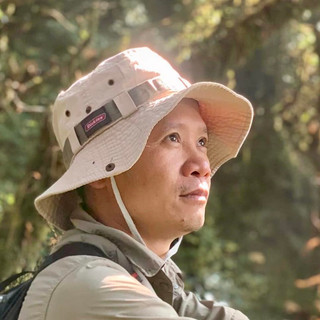
Visiting Mu Cang Chai in February offers a completely different experience compared to the popular harvest season. At this time of the year, Mu Cang Chai provides a quiet, authentic atmosphere, crisp spring air, and vibrant local traditions, far from the usual crowds.
Why should you visit Mu Cang Chai in February?
Choosing February for a visit is a deliberate move away from the mainstream. This is not the typical tourist season, which is its greatest strength. This trip appeals to those seeking an in-depth experience rather than a conventional tourist visit. It offers a more personal and immersive experience than the typical peak-season tour.

Weather
The weather in Mu Cang Chai in February is a significant draw. This is the spring of the northern highlands, and it is a key advantage.
Temperature: Forget the intense, humid heat of the summer or the deep cold of mid-winter. Visitors can expect pleasant, cool daytime temperatures, generally ranging from 15°C to 20°C (59°F - 68°F).
Atmosphere: The air is notably crisp, dry, and fresh.
Mornings & Evenings: The nights and early mornings are colder, dropping to around 10°C (50°F), so packing in layers is essential.
Less crowded with visitors
This is, perhaps, the single greatest advantage of Mu Cang Chai in February. In September and October, popular viewpoints like the Mam Xoi (Raspberry Hill) or the viewpoints around La Pan Tan can be overwhelmed. It's common for groups to wait in line just to get a clear photograph. The atmosphere is bustling, but it's not peaceful.
This lack of crowds transforms the experience:
Genuine Photography: Visitors can take their time to find the perfect angle, capturing the stark beauty of the terraces without a single person in the shot.
Authentic Interactions: Locals are not rushed or overwhelmed by tourism. In February, the interactions are far more genuine. People have time to stop, smile, and perhaps even invite visitors for tea.
Peaceful Homestays: The homestay experience will be quieter and more personal, allowing for deeper conversations with the host family.

So, what are the best activities for this special season of Mu Cang Chai?
Attractions
Khau Pha Pass: As one of Vietnam's "four great mountain passes," the view from here is always impressive. In February, the dry, clear air often provides stunning, long-distance views over the valley. A common mistake is rushing this pass. Expert advice is to stop at the designated viewpoints and simply absorb the scale of the landscape.
Waterfalls (Pu Nhu, Mo): While the water flow might be less intense than in the rainy season, the treks to these waterfalls are scenic, taking travelers through quiet forests and remote villages.
Ethnic Villages: The villages themselves are key attractions. Villages like Lim Mong and Lim Thai are nestled deep in the valleys, offering a chance to see traditional stilt house architecture and the daily life of the H'mong and Thai communities up close.

Activities
Trekking: Visitors can embark on full-day treks from one village to another, following the contours of the terraces. Popular routes connect the villages of La Pan Tan and Che Cu Nha.
Paragliding on Khau Pha Pass: While the main paragliding festival occurs during the harvest season, flights are often available in February, subject to weather conditions. This offers a spectacular aerial perspective of the terraces' vast, intricate structures - a unique view only possible during this quieter time.
Photography: This is an excellent opportunity for a different kind of photography. Instead of just wide-angle landscapes, the focus shifts to:
Portraits: The local H'mong people, especially during the festival season, are in their magnificent traditional dress. (Always ask permission before taking a close-up photo).
Daily Life: Capture moments of authentic village life—children playing, women weaving, men repairing tools.
Abstracts: Focus on the textures and patterns of the bare terraces and their reflections in the water.
Hot Springs Relaxation: After a day of trekking, visitors can relax in the natural hot springs found in areas like Lim Mong and Lim Thai. This is an excellent way to soothe muscles and enjoy the peaceful valley scenery.
Community Engagement & Support: For travelers seeking a deeper connection, February is an ideal time. Visitors can support local communities directly by purchasing intricate, handmade H'mong textiles from artisans. Additionally, coordinated visits (often through a guide or homestay) to remote village schools to offer support, such as books or school supplies, can provide respectful and meaningful interaction.

Ethnic diversity and local culture
February often coincides with or immediately follows Tet (Lunar New Year). For the H'mong, this is the most important time of the year - a period of celebration, feasting, and community gathering that can last for weeks. Be on the lookout for:
Incredible Attire: This is when everyone wears their absolute best. H'mong women don intricate, hand-embroidered skirts, colorful headscarves, and silver jewelry. The sight of villagers walking along the roads in this full ceremonial dress is a memorable part of the visit.
Traditional Games: Visitors will almost certainly see traditional festival games being played in the villages.
Nem Pao (Pao Throwing): A graceful game where boys and girls toss a cloth ball back and forth, often as a form of courtship.
Tu Lu (Sprinting Top): A competitive game where men and boys see who can spin their massive wooden tops the longest.
Music: One may hear the distinct sound of the Khen, a traditional bamboo pipe instrument that is central to H'mong culture, played by men as they dance.

Visiting Mu Cang Chai in February is not for everyone; it’s for the traveler seeking a more in-depth cultural experience rather than just duplicating a famous photo. The golden hues of rice are replaced by the vibrant colors of H'mong festival clothing, allowing travelers to leave with a deeper understanding of the land and its people. If you are seeking an authentic slice of highland Vietnam, contact us to craft your own unique, off-season journeys.


Comments