
Hoc Village: The serene hot spring of Yen Bai
- Smiley Phuong
- Dec 8, 2025
- 3 min read
Hoc Village (Hoc village) is a hidden gem nestled in the valleys of Van Chan, renowned not for rugged peaks but for its therapeutic, mineral-rich hot springs. Home to the hospitable Thai ethnic community, this peaceful hamlet offers a rejuvenating escape where nature's warmth meets rich cultural traditions. This guide details everything you need to know to find relaxation in this steam-shrouded sanctuary of the Northwest.

About Hoc Village
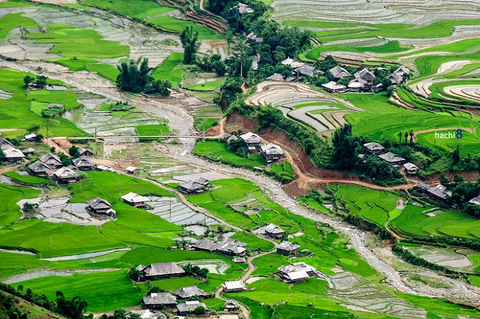
Hoc Village is a traditional settlement of the Black Thai people, characterized by peaceful wooden stilt houses tucked amidst fruit trees and lush greenery. The village's claim to fame is its natural geothermal reserve, where hot water maintains a constant temperature of 50-60°C. For travelers, it offers a rare combination of authentic rural immersion and spa-like relaxation, far removed from commercial resorts.
Where is it?
The village is located in Lam Son Commune, Van Chan District, Yen Bai Province. It sits approximately 20 kilometers from the central town of Nghia Lo and roughly 170 kilometers from Hanoi. Positioned along the route to the famous Mu Cang Chai terraces, it serves as a perfect stopover for rest and recovery.

How to get to Hoc Village?
The journey from Yen Bai City to Hoc Village covers approximately 80 kilometers along National Highway 37 (QL37) and Highway 32. Here are the best ways to make the trip from the provincial capital.
By Motorbike: This is a popular choice for those wanting to enjoy the lush scenery of the winding roads at their own pace. You will travel northwest from the city, passing through endless tea hills and valleys before reaching Lam Son commune.
By Local Bus: Frequent buses run from the Yen Bai Bus Station towards Nghia Lo or Mu Cang Chai. Simply catch a bus heading west and ask the driver to drop you off at the entrance to Hoc Village in Van Chan district.
By Taxi or Private Car: For a stress-free experience, you can hire a taxi or private driver from the city center. This is the most comfortable option, especially for families, taking about 2 hours to reach the hot springs.

When is the best time to visit Hoc Village?
While the springs flow year-round, the most magical time to visit is during autumn and winter (September to February). The crisp, chilly air of the mountains creates a delightful contrast with the steaming hot water, making the bathing experience deeply comforting. Visiting during the harvesting season (September) also adds the visual treat of golden rice fields surrounding the village.

Must-try activities in Hoc Village
The activities here center on wellness and cultural engagement, offering a gentle pace suited for families and weary travelers.
Soak in the natural hot springs: This is the undisputed highlight, with options ranging from communal outdoor pools to private bathrooms built by local families. The water is sulfur-rich and famously good for the skin and joints, inviting you to soak for hours while gazing at the surrounding nature.

Explore Thai culture and stilt houses: Walking through the village offers a glimpse into the daily life of the Black Thai people, who maintain their architectural traditions. You can observe women weaving vivid brocade fabrics on wooden looms beneath their raised homes, creating intricate patterns unique to their heritage.

Savor authentic Thai cuisine: After a bath, enjoy a meal prepared by a host family featuring local specialties. Dishes like grilled stream fish (Pa Pinh Top), sticky rice steamed in bamboo, and dried buffalo meat are staples that perfectly complement the relaxing atmosphere.

Nearby attractions you won't want to miss
Hoc Village is strategically placed near several other stunning locations in Yen Bai, making it easy to extend your trip.
Suoi Giang Ancient Tea Plantation: Located high in the mountains nearby, this area is famous for its centuries-old Shan Tuyet tea trees. The cool climate and mist-covered peaks offer a refreshing change of scenery and the chance to taste some of Vietnam's most expensive tea.

Muong Lo Valley (Nghia Lo): Just a short drive away lies the second-largest rice field in the Northwest, famous for its vast, flat expanse of grain. It is a cultural hub where you can watch the mesmerizing Xoe Thai dance, recognized by UNESCO as an Intangible Cultural Heritage.

Khau Pha Pass: If you are heading further north towards Mu Cang Chai, you will cross this majestic pass. It is one of the "Four Great Passes" of Vietnam, offering breathtaking panoramic views of the valleys below.

Hoc Village offers a soothing counterpoint to the rugged adventures of the Northwest, inviting travelers to wash away their fatigue in its healing waters. It is a place where the warmth of the springs is matched only by the hospitality of the Thai people. If you are ready to immerse yourself in this relaxing highland retreat, our team can help you plan the perfect wellness detour.


Comments