
Tu Le Valley: The soul of Northwestern Vietnam's golden season
- Smiley Phuong

- Nov 29, 2025
- 5 min read
Nestled at the foot of the imposing Khau Pha Pass, Tu Le Valley is a serene jewel of Yen Bai province that captivates visitors with its tranquil beauty and rich cultural tapestry. Often serving as the gateway to the famous Mu Cang Chai rice terraces, Tu Le holds its own distinct charm, offering lush green fields, steaming hot springs, and the sticky sweetness of its world-renowned rice.

Where is Tu Le Valley?
Tu Le is a highland commune located in the Van Chan district of Yen Bai province, sitting approximately 250 kilometers northwest of Hanoi. Geographically, it is perfectly positioned between the town of Nghia Lo and the majestic Khau Pha Pass, making it a natural resting point for travelers heading deeper into the Northwest. The valley is surrounded by three towering mountains—Khau Pha, Khau Song, and Khau Than—creating a sheltered, fertile basin that is famously home to the Thai and H'mong ethnic minority communities.

How to Get to Tu Le Valley?
Since Tu Le is only about 40-50 kilometers from Mu Cang Chai town, combining these two destinations is effortless and highly recommended.
From Mu Cang Chai to Tu Le
The journey from Mu Cang Chai to Tu Le is an attraction in itself, as it requires crossing the famous Khau Pha Pass. The drive takes approximately 1 to 1.5 hours depending on your speed and stops.
By Motorbike: This is the most exhilarating way to travel. You will ride from Mu Cang Chai town, ascend the winding roads of Khau Pha Pass (one of the "Four Great Passes" of Northern Vietnam), and then descend directly into the lush Tu Le Valley. The views from the pass looking down into the valley are spectacular, offering a bird's-eye perspective of the rice fields and villages below.
By Private Car/Taxi: A private car offers comfort and the flexibility to stop at viewpoints along the pass without worrying about the weather. This is ideal for families or groups carrying luggage. You can easily arrange a transfer through your hotel in Mu Cang Chai.
By Bus: While there are no dedicated "tourist buses" solely for this short leg, you can catch any local bus or shuttle heading from Mu Cang Chai towards Nghia Lo or Yen Bai. Simply flag one down on the main road and ask to be dropped off in Tu Le commune.

Best time to visit Tu Le Valley
To experience Tu Le at its most spectacular, timing is everything. The valley's beauty follows the rhythm of the rice harvest.
Harvest season (September – October): This is the absolute peak season. The entire valley transforms into a glowing sea of gold as the famous Tu Le glutinous rice ripens. The weather is crisp and cool, perfect for harvesting activities and photography. This is also when the delicious Com (green rice flakes) is freshly made.

Watering season (May – June): Known as the "water pouring" season, the fields are flooded to prepare for planting. The water-filled terraces act like giant mirrors reflecting the sky and mountains, creating a shimmering, peaceful landscape that is distinctly different from the golden harvest.

Must-Try Activities at Tu Le Valley
Tu Le is not just for sightseeing; it is a place to engage your senses.
Soak in natural hot springs: Tu Le is famous for its natural hot mineral springs. Unlike commercial resorts, the bathing culture here is rustic and authentic. You can join the local Thai people in the open-air thermal pools (often located right by the stream), which is a deeply relaxing cultural experience, especially in the cool autumn air.

Watch the harvest: If you visit between September and October, the valley turns into a sea of golden rice. Unlike the steep terraces of Mu Cang Chai, the fields here are gentler and broader. Watching the Thai farmers harvest the "heavenly pearl" rice in their traditional attire is a photographer's dream.

Explore Lim Mong and Lim Thai villages: These two villages offer contrasting experiences. Lim Thai is located in the valley floor, featuring elegant wooden stilt houses and a peaceful atmosphere. A short trek up the mountain leads to Lim Mong, a H'mong village that offers rugged beauty and sweeping panoramic views of the entire valley.
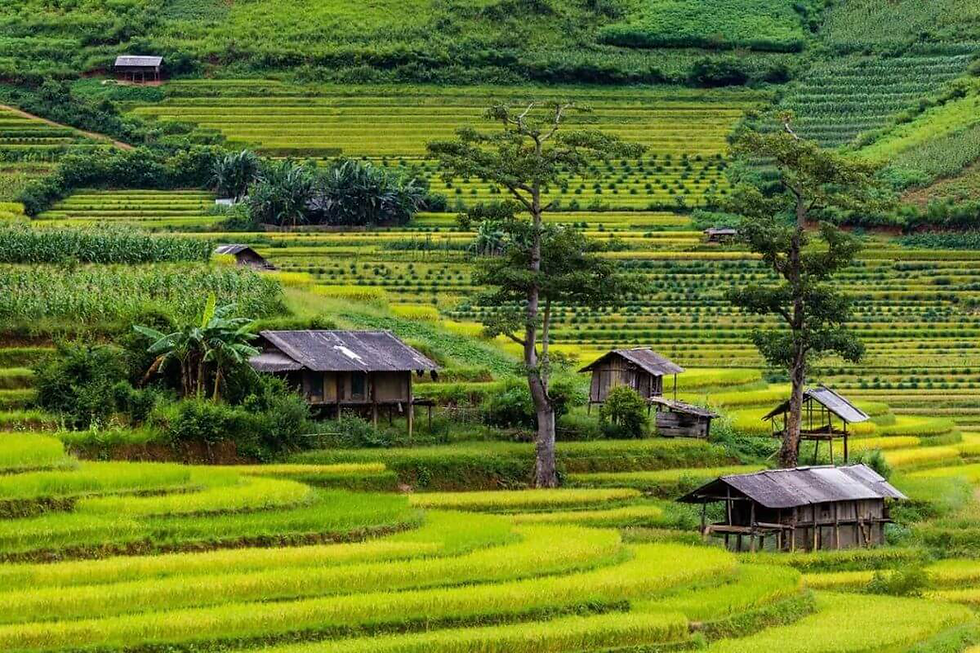
Ziplining over the beautiful fields: For thrill-seekers, the Aeris Hill adventure park nearby offers ziplining, which provides a unique aerial view of the valley and rice fields.

Delicious Foods You Can't Miss
Tu Le's cuisine is legendary in Vietnam, centered largely around its unique agricultural products.
Com (Green Rice Flakes): Tu Le is arguably the most famous place in Vietnam for Com. Made from the young, milk-filled grains of the local glutinous rice, it is roasted and pounded by hand to create a sweet, fragrant, and chewy snack that captures the essence of the harvest.

Tu Le Sticky Rice (Nep Tu Le): This is the region's "heavenly pearl." Steamed into sticky rice, it has a distinct aroma and a natural sweetness that requires no side dishes to enjoy, though it pairs perfectly with grilled pork.

Grilled Stream Fish (Pa Pinh Top): Fresh fish caught from the stream, stuffed with local herbs, ginger, and mac khen (wild pepper), then grilled over charcoal. The result is a smoky, flavorful dish that perfectly complements the sticky rice.

Nearby Attractions You Would Like to Visit
Tu Le is the perfect base camp for exploring the wider region.
Khau Pha Pass: Just a few kilometers away, this is one of the "Four Great Mountain Passes" of Vietnam. Driving to the top offers a breathtaking view looking back down into the Tu Le valley. It is also a famous spot for paragliding.

Cao Pha Valley: Located at the foot of the pass, this valley is known for its "falling water" season (May-June) when the fields reflect the sky like mirrors.
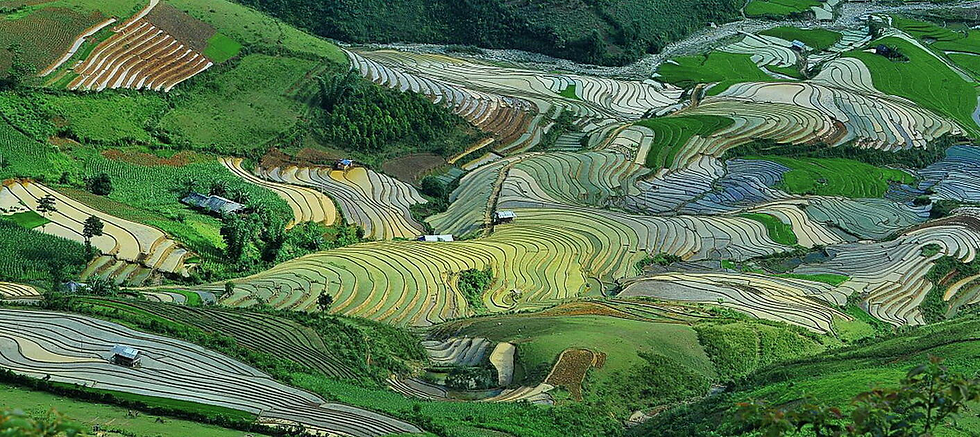
Mu Cang Chai: Continuing over the pass brings you to the heart of the rice terrace heritage site, including La Pan Tan and Che Cu Nha.

Extra Travel Tips
Time Management: Tu Le is best enjoyed at a slow pace. Spend an afternoon here soaking in the hot springs and enjoying a local dinner. It is an ideal overnight stop before conquering the Khau Pha Pass the next morning.
Checklist: What to Bring
Item | Why you need it | Check |
Swimsuit / Towel | Essential for enjoying the natural hot springs. | |
Light Jacket | Evenings can be cool, especially in the autumn harvest season. | |
Cash (VND) | ATMs are scarce. You will need cash for food, homestays, and buying Com. | |
Insect Repellent | The valley is lush and agricultural; mosquitoes can be present in the evenings. | |
Comfortable Sandals | Perfect for walking around the hot springs and visiting nearby stilt houses. | |
Camera | The golden rice fields and colorful ethnic costumes are incredibly photogenic. |
In conclusion, Tu Le Valley offers a softer, more relaxing counterpart to the rugged grandeur of Mu Cang Chai. It is a place where culture, agriculture, and nature blend seamlessly. Whether you are soaking in the healing waters or savoring the sweet taste of green rice, Tu Le promises a heartwarming and authentic Vietnamese highland experience. Contact us right now for the one-and-only tailored trip that you will remember for a lifetime.


Comments